
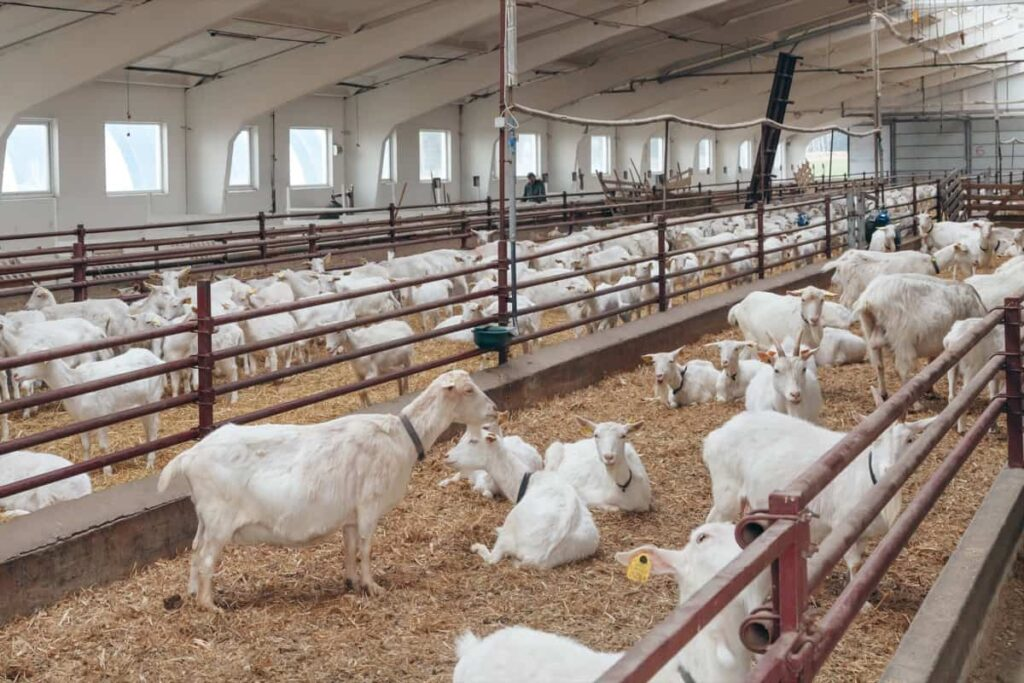
Sustainable and ethical meat production has become a priority for consumers in North Texas who want high-quality, sound, and environmentally causative food. Many farmers and ranchers are turning to grass-fed sheep and goats to meet this maturation . Unlike conventional stock, grass over-fed animals are inflated on cancel pastures, resultant in leaner, more flavorous meat while promoting situation sustainability. However, processing grass over-fed stock requires expertness and infrastructure to insure quality, food safety, and submission with local anaesthetic regulations African goat meat.
The Benefits of Grass-Fed Sheep and Goats
Raising sheep and goats on range provides threefold advantages for both producers and consumers. Grass-fed animals have a natural diet, which enhances the flavor and nutritionary value of the meat. These animals typically have higher levels of omega-3 fatty acids, vitamins, and antioxidants compared to grain-fed farm animal. For consumers in North Texas, choosing grass-fed meat means enjoying better, more cancel products that are free from added hormones and antibiotics.
For ranchers, grass over-fed sheep and goats offer a more property farming set about. Pasture-based systems tighten dependence on grain, lour feed , and upgrade biodiversity. Properly managed grazing also improves soil wellness and prevents gigantism of invading plant species, contributory to long-term farm sustainability. By adopting grass-fed practices, North Texas producers can meet maturation consumer while protective the land for time to come generations.
Sustainable Meat Processing Practices
Processing grass over-fed sheep and goats requires specialized cognition to wield meat tone and check right handling. Sustainable meat processors in North Texas focus on on discipline massacre practices, negligible try for the animals, and troubled handling of the meat to preserve novelty. These processors often work with topical anaestheti farmers, providing usage processing services that cater to small-scale and family-run trading operations.
Key components of sustainable processing let in:
Humane handling and massacre: Reducing brute strain improves meat texture and flavor.
Cold direction: Maintaining specific refrigeration from processing to publicity ensures novelty.
Minimal waste practices: By utilizing all parts of the beast, processors tighten situation bear on.
Compliance with food safety standards: Certified facilities follow USDA guidelines and topical anesthetic regulations.
Why Choose Grass-Fed Meat in North Texas
For consumers, grass over-fed sheep and goat meat is not only healthier but also supports local agriculture and property land practices. By choosing local anesthetic, browse-raised meat, individuals put up to the increment of ethical food systems while enjoying insurance premium-quality products. Families profit from lean cuts of meat with rich season profiles suitable for a variety show of recipes, from traditional barbecue to gastronome dishes.
Farmers and ranchers also gain from access to specialized processing facilities that prioritize grass-fed farm animal. Sustainable meat processing services in North Texas offer expertise, convenience, and high-quality results, allowing producers to focalize on raising sound animals and expanding their byplay.
Conclusion
Grass-fed sheep and goats symbolize a sustainable and sound selection for both consumers and producers in North Texas. By supporting ethical meat processing, ranchers can upraise farm animal responsibly while protecting the environment, and consumers can food-rich, flavourful meat. Whether you are a topical anaestheti sodbuster seeking specialized processing services or a syndicate curious in healthier meat options, North Texas offers opportunities to embrace sustainable, grass-fed practices that profit everyone in the .
