
Introduction
Gas-related hazards remain one of the most critical safety challenges in industrial environments. From chemical processing plants and oil refineries to manufacturing units and confined working spaces, the presence of toxic, flammable, or oxygen-displacing gases poses constant risks. These hazards can escalate quickly if not detected in time, leading to accidents, equipment damage, and even loss of life.
Traditional safety measures are no longer sufficient to manage today’s complex industrial operations. Industries now require intelligent, real-time solutions that can continuously monitor air quality and detect dangerous gas levels with high accuracy.
Advanced monitoring systems for gas safety applications are transforming industrial safety by providing continuous surveillance, early warning capabilities, and automated response features that significantly reduce risk.
What Are Advanced Gas Monitoring Systems?
Advanced gas monitoring systems are intelligent safety solutions designed to detect, measure, and analyze the presence of hazardous gases in real time. These systems use high-precision sensors combined with digital technologies to ensure accurate and continuous monitoring of air conditions.
They are capable of detecting a wide range of gases, including carbon monoxide, methane, hydrogen sulfide, ammonia, chlorine, and other industrial emissions. Unlike traditional detectors, advanced systems are often integrated with smart software, IoT connectivity, and centralized control platforms.
This allows industries to monitor gas levels across multiple locations simultaneously, ensuring complete visibility and control over safety conditions.
Importance of Gas Monitoring in Safety Applications
Gas safety monitoring is essential for preventing industrial accidents and protecting human life. Many hazardous gases are invisible and odorless, making them extremely difficult to detect without specialized equipment.
One of the most important roles of advanced monitoring systems is early detection. By identifying gas leaks at very low concentrations, these systems provide critical time for corrective action before situations become dangerous.
They also play a major role in regulatory compliance. Industries are required to follow strict occupational safety and environmental standards, and continuous gas monitoring helps meet these legal obligations.
Additionally, these systems enhance emergency preparedness by ensuring that safety teams receive instant alerts in case of gas exposure risks.
Key Features of Advanced Gas Monitoring Systems
Modern gas safety monitoring solutions are equipped with sophisticated features that enhance reliability and performance:
- Real-Time Continuous Monitoring: Constant tracking of gas concentrations
- High-Precision Sensors: Detect even trace levels of hazardous gases
- Multi-Gas Detection Capability: Monitors several gases simultaneously
- Smart Alerts and Notifications: Instant warnings via alarms, SMS, or apps
- Remote Access and Control: Cloud-based monitoring from any location
- Data Logging and Reporting: Stores historical data for safety audits
- Integration with Safety Systems: Connects with alarms, ventilation, and shutdown systems
These features make advanced systems highly effective for industrial safety management.
Applications in Industrial Safety Environments
Advanced gas monitoring systems are widely used across industries where safety is a top priority:
- Oil and Gas Industry: Monitoring pipelines, drilling sites, and refineries
- Chemical Manufacturing Plants: Detecting leaks and controlling emissions
- Power Generation Facilities: Managing combustion gases and air quality
- Mining Operations: Identifying underground gas accumulation
- Pharmaceutical Industry: Ensuring controlled production environments
- Confined Space Worksites: Monitoring oxygen levels and toxic gases
Each application requires precise and reliable monitoring to prevent accidents and ensure safe operations.
Benefits of Advanced Gas Monitoring Systems
Implementing advanced gas monitoring systems provides several important advantages for industries.
First, they significantly enhance workplace safety by detecting hazardous gases early and preventing exposure. This reduces the risk of injuries and fatalities.
Second, they improve operational efficiency by minimizing downtime caused by gas leaks or safety incidents. Continuous monitoring ensures smoother and more reliable operations.
Third, they help reduce financial losses by preventing equipment damage, production interruptions, and emergency shutdowns.
Another key benefit is environmental protection. By monitoring emissions in real time, industries can reduce pollution and maintain compliance with environmental regulations.
Finally, these systems improve decision-making by providing accurate and actionable data for safety management teams.
How Advanced Monitoring Systems Work
Advanced gas monitoring systems operate using highly sensitive sensors that continuously analyze air composition. These sensors detect changes in gas concentration and send signals to a central processing unit.
When gas levels exceed safe thresholds, the system immediately triggers alerts. These alerts can include sirens, flashing lights, vibration warnings, or digital notifications sent to control rooms or mobile devices.
Many systems are also integrated with automated safety controls. For example, they can activate ventilation systems, isolate affected areas, or shut down machinery to prevent escalation.
The Future of Gas Safety Monitoring
The future of gas safety monitoring is moving toward intelligent, predictive systems powered by artificial intelligence and IoT technology. These advanced systems will not only detect gas leaks but also predict potential risks based on data patterns and environmental conditions.
Cloud-based platforms will allow real-time global monitoring, while machine learning algorithms will improve accuracy and reduce false alarms.
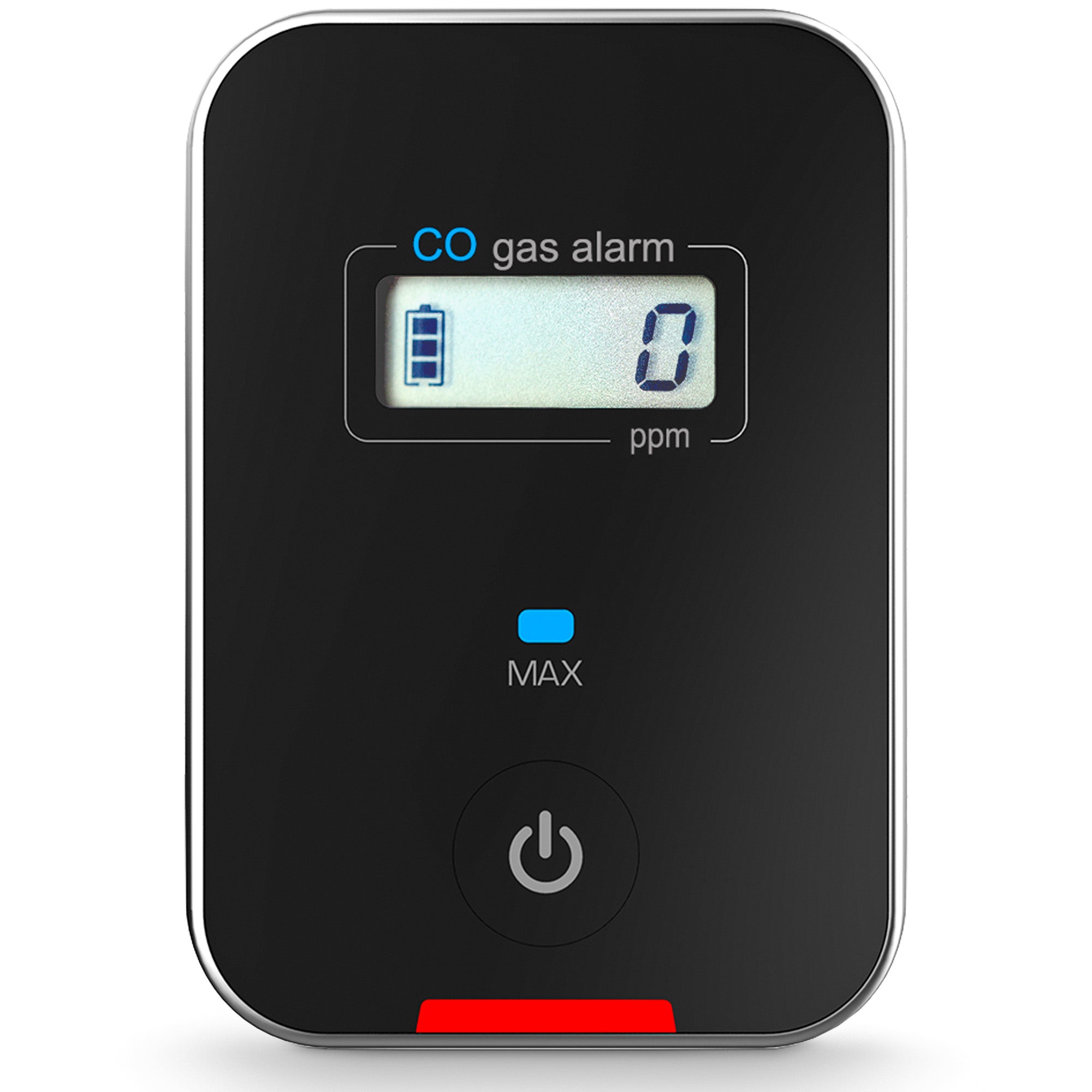
As industries continue to adopt smart technologies, Kohlenmonoxid-Monitor monitoring systems will become more automated, efficient, and essential for safety management.
Conclusion
Advanced monitoring systems for gas safety applications are essential for maintaining safe, efficient, and compliant industrial operations. With real-time detection, smart alerts, and integrated safety features, these systems provide unmatched protection against gas-related hazards.
As industrial environments become more complex, investing in advanced gas monitoring technology is no longer optional—it is a critical step toward ensuring safety, operational efficiency, and environmental responsibility.