In today’s fast-paced, digital-first world, staying informed, ahead, and empowered is more important than ever. For anyone interested in crypto, blockchain technology, or emerging digital assets, Ties.Network is the ultimate destination, offering timely news, expert analysis, and actionable insights. Whether you are an investor, a developer, or simply curious about the evolving world of cryptocurrency, Ties.Network provides the knowledge you need to make informed decisions, explore opportunities, and understand the latest trends shaping the future of finance.
The cryptocurrency market is dynamic, complex, and constantly evolving, with new coins, tokens, and altcoins appearing almost daily. For many, navigating this fast-moving landscape can be challenging, but Ties.Network simplifies it by delivering clear, concise, and reliable information. Our editorial team carefully researches market trends, emerging technologies, and blockchain projects, ensuring that readers have access to accurate insights, detailed analysis, and practical guidance.
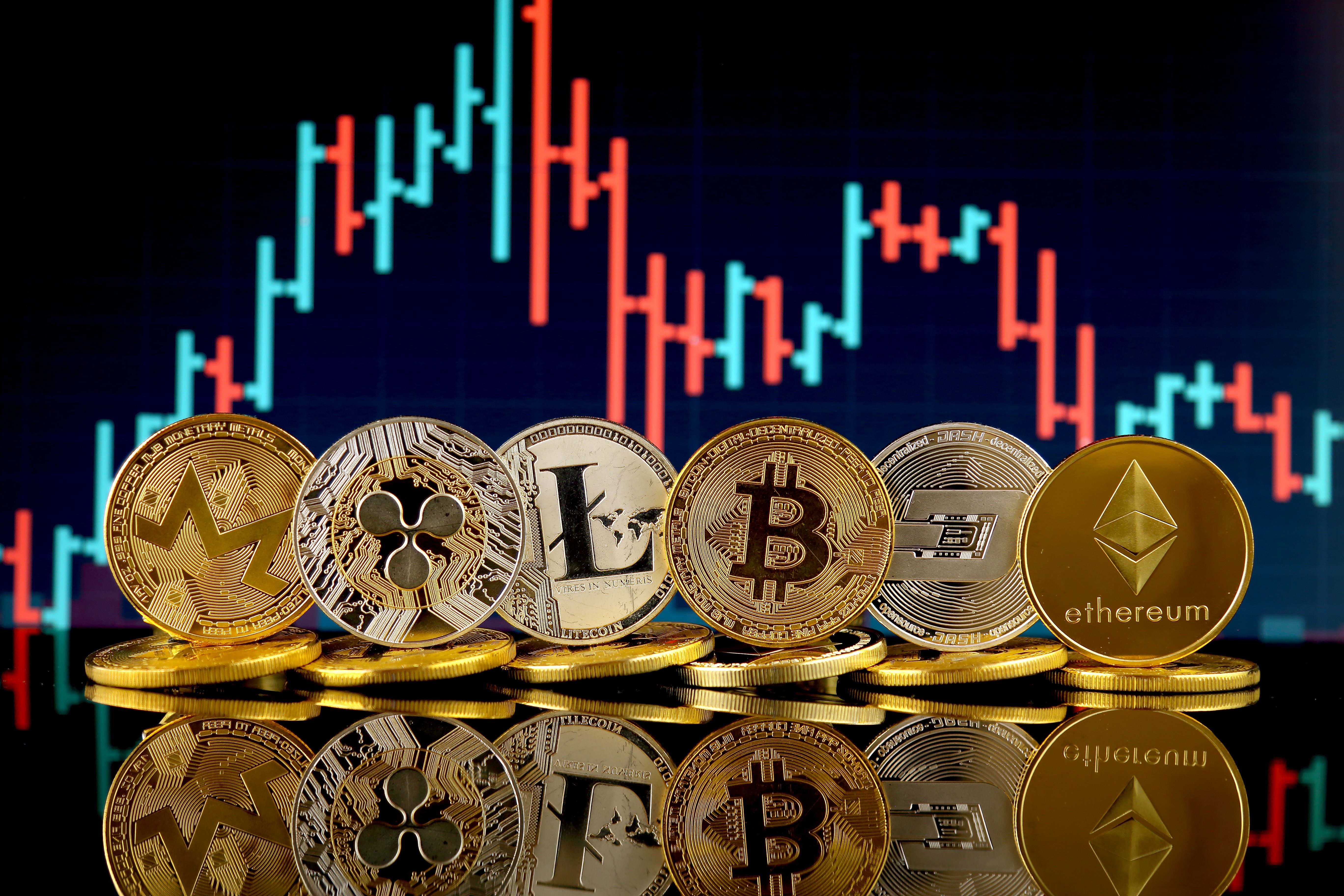
Investing in cryptocurrency can be exciting, but it also carries risk. Ties.Network provides comprehensive resources to help readers understand market movements, assess potential investments, and explore new opportunities responsibly. From tracking Bitcoin and Ethereum to discovering promising altcoins or innovative tokens, our platform equips users with the knowledge needed to make informed, confident choices in the digital asset space.
One of the most valuable features of Ties.Network is its coverage of emerging tokens and innovative coins. Our team dives into the mechanics of blockchain projects, explores the potential of new altcoins, and evaluates trends in decentralized finance, or DeFi. By providing timely, data-driven insights, we help readers stay ahead of market shifts, anticipate developments, and spot investment opportunities that could redefine digital finance.
Beyond market reporting, Ties.Network emphasizes analysis and context, helping readers understand why events in the crypto world matter. Whether discussing regulatory updates affecting cryptocurrency, fluctuations in the value of a popular coin, or new trends in altcoins, we provide the clarity needed to navigate this complex, evolving industry. Our mission is to transform information into actionable knowledge, empowering readers to make strategic, well-informed decisions.
For newcomers, the world of crypto can feel overwhelming. Ties.Network offers educational content, step-by-step guides, and tutorials designed to simplify the journey. From purchasing your first coin to learning about wallets, exchanges, staking, and tokenomics, our resources make blockchain technology accessible to beginners, while also providing advanced insights for seasoned investors exploring the latest altcoins and tokens.
Credibility, transparency, and independence are at the heart of Ties.Network. We maintain a strict editorial policy, ensuring all content is fact-checked, unbiased, and free from external influence. Sponsored articles, affiliate links, or promotional content are always clearly disclosed, so readers can trust the integrity of the information. In an industry where speculation is common, our commitment to reliable reporting stands out, helping users make informed choices without unnecessary risk.
Ties.Network does more than cover cryptocurrency; we explore Web3 technologies, AI innovations, digital finance, and investment strategies. This broader perspective allows readers to understand how blockchain, altcoins, and other digital assets intersect with emerging technologies, and how these connections can impact investment opportunities, innovation, and market behavior. By presenting a holistic view of the digital ecosystem, we help readers see the bigger picture.
Community engagement is another cornerstone of Ties.Network. Readers can interact with articles, share insights, and participate in discussions about the latest coins, promising tokens, and trending altcoins. By fostering a global, collaborative community, Ties.Network encourages knowledge exchange, debate, and learning, making it a space where everyone—from beginners to experts—can grow, stay informed, and engage with others who share their interests.
Security and responsibility are always emphasized on Ties.Network. While we provide in-depth analysis and highlight promising coins and tokens, we remind readers that the cryptocurrency market is highly volatile, and investments carry risk. Our content encourages research, careful decision-making, and consultation with qualified professionals, helping users navigate this complex landscape with confidence and awareness.
For investors and enthusiasts seeking real-time market updates, Ties.Network provides timely reporting, charts, and analytics. Our global team monitors trends, developments, and news across multiple time zones, ensuring readers stay informed about the latest altcoins, regulatory changes, and innovations in blockchain. This dedication allows users to act quickly, anticipate changes, and seize opportunities in a market where timing is often critical.
Ultimately, Ties.Network is more than a news platform; it is a hub for anyone seeking insight, clarity, and knowledge in the worlds of crypto, cryptocurrency, and blockchain innovation. By combining news, educational content, community engagement, and expert analysis, we provide readers with the tools they need to explore coins, track tokens, discover new altcoins, and navigate the digital financial landscape with confidence. Visit Ties.Network today, and become part of a global community that stays informed, empowered, and ahead of the curve.