
How to Detect Early Breast Cancer A Step-by-Step Guide

Early detection is crucial in the fight against breast cancer. According to the American Cancer Society, the 5-year relative survival rate for localized breast cancer (cancer that hasn’t spread beyond the breast) is 99%. This stark contrast to the 27% survival rate for metastatic breast cancer underscores the importance of early detection. This guide will walk you through the steps to detect early breast cancer, from understanding your risk factors to performing self-exams and scheduling regular screenings.

Phase 1: Preparation

Understanding your risk factors and knowing your body are the first steps in early breast cancer detection.

1.1 Know Your Risk Factors

Certain factors can increase your risk of developing breast cancer. These include:

– Age: The risk increases with age, with most breast cancers diagnosed after age 50.
– Gender: Women are at a higher risk than men.
– Family History: Having a first-degree relative (mother, sister, daughter) with breast cancer doubles your risk.
– Genetic Mutations: Inherited mutations in the BRCA1 and BRCA2 genes significantly increase risk.
– Personal History: A previous breast cancer diagnosis increases the risk of developing a new cancer in the other breast or in another part of the same breast.
– Dense Breast Tissue: Dense breasts have more connective tissue than fatty tissue, which can sometimes make lumps harder to detect on a mammogram.
– Exposure to Estrogen: Early menstruation (before age 12), late menopause (after age 55), not having children, or having your first child after age 30 can increase your risk.
– Lifestyle Factors: Alcohol consumption, being overweight or obese, and physical inactivity can also increase risk.

1.2 Understand Your Body

Familiarize yourself with the normal look and feel of your breasts. This will help you notice any changes that might indicate a problem. Regular self-exams can help you become familiar with your breasts and detect any changes early.

1.3 Schedule Regular Check-ups

Regular check-ups with your healthcare provider are essential for early detection. During these visits, your doctor can perform a clinical breast exam and discuss any concerns you may have. You can read more about early breast cancer detection for additional clinical context.

Phase 2: Execution

Regular self-exams, clinical breast exams, and screenings are the next steps in early breast cancer detection.

2.1 Perform Regular Self-Exams

Self-exams should be performed monthly, ideally a few days after your period ends when your breasts are least likely to be tender or swollen. Here’s how to perform a self-exam:

1. Visual Inspection: Stand in front of a mirror with your shoulders straight and your arms on your hips. Look for any changes in the size, shape, or color of your breasts. Also, check for any dimpling, puckering, or bulging of the skin.
2. Raised Arms: Raise your arms and look for the same changes.
3. Lying Down: Lie down and place a pillow under your right shoulder and your right arm behind your head. Use your left hand to move the pads of your fingers around your right breast gently in small circular motions covering the entire breast area and armpit.
4. Repeat: Repeat the process on your left breast.

2.2 Schedule Clinical Breast Exams

Clinical breast exams should be performed by a healthcare provider every 1-3 years for women in their 20s and 30s, and every year for women 40 and older. During a clinical breast exam, your doctor will check both of your breasts and lymph nodes in your armpit, feeling for any lumps or other abnormalities.

2.3 Undergo Regular Screenings

Screenings are tests that look for diseases before you have symptoms. The most common screening test for breast cancer is a mammogram, an X-ray of the breast. Here’s what you need to know about mammograms:

– Age: The American Cancer Society recommends that women aged 45 to 54 should get mammograms every year. Women 55 and older can switch to a mammogram every 2 years, or continue yearly screening.
– Frequency: If you’re at high risk, your doctor might recommend more frequent screenings or starting at a younger age.
– Type: There are two types of mammograms: screening mammograms (for women with no symptoms) and diagnostic mammograms (for women with symptoms or an abnormal screening mammogram).
– Preparation: Avoid deodorants, antiperspirants, powders, lotions, creams, or perfumes under your arms or on your breasts on the day of the exam. These can appear on the mammogram as white spots.

Phase 3: Optimization

Optimizing your breast cancer detection strategy involves staying informed, maintaining a healthy lifestyle, and advocating for your health.

3.1 Stay Informed

Stay up-to-date with the latest research and recommendations for breast cancer detection. This includes understanding new screening technologies, such as 3D mammography (tomosynthesis) and breast MRI, which can provide more detailed images of the breast tissue.

3.2 Maintain a Healthy Lifestyle

A healthy lifestyle can help reduce your risk of breast cancer. This includes:

– Diet: Eat a healthy diet rich in fruits, vegetables, and whole grains.
– Exercise: Aim for at least 150 minutes of moderate-intensity or 75 minutes of vigorous-intensity physical activity each week.
– Weight Management: Maintain a healthy weight. If you’re overweight or obese, aim to lose weight gradually.
– Limit Alcohol: Limit alcohol consumption to no more than one drink per day.
– Avoid Smoking: If you smoke, quit. If you don’t smoke, don’t start.

3.3 Advocate for Your Health

Be your own health advocate. This means:

– Communicate: Clearly communicate any concerns or symptoms to your healthcare provider.
– Ask Questions: Don’t be afraid to ask questions about your health and any tests or procedures.
– Second Opinions: If you’re unsure about a diagnosis or treatment plan, don’t hesitate to seek a second opinion.
– Follow-Up: Follow up on any abnormal test results or symptoms promptly.

7-Day Action Plan

Here’s a 7-day action plan to help you get started on your early breast cancer detection journey:

– Day 1: Research your risk factors. Make a list of any that apply to you.
– Day 2: Perform your first self-exam. Note any changes or abnormalities.
– Day 3: Schedule a clinical breast exam with your healthcare provider.
– Day 4: Research mammogram facilities in your area. Choose one that’s convenient and has good reviews.
– Day 5: Schedule your first mammogram. If you’re under 40, discuss with your doctor if you need one.
– Day 6: Make a list of any questions or concerns you have about breast cancer detection. Bring this list to your next appointment.
– Day 7: Start a breast health journal. Note any changes in your breasts, the dates of your self-exams, clinical breast exams, and mammograms.

Key Takeaways

Early detection is key to surviving breast cancer. By understanding your risk factors, performing regular self-exams, scheduling clinical breast exams and mammograms, staying informed, maintaining a healthy lifestyle, and advocating for your health, you can significantly increase your chances of detecting breast cancer early. Remember, you are your own best advocate. Trust your instincts and don’t hesitate to speak up if something doesn’t feel right. Your health is in your hands.
Read More →

Actionable Methods for Choosing a Top-Notch Healthcare Facility

Choosing the right healthcare facility can be a life-altering decision. According to a study by the Agency for Healthcare Research and Quality, patients who receive care at top-rated hospitals have a 27% lower risk of dying than those at lower-rated facilities. This guide will provide you with actionable methods to ensure you make the best choice.

Understanding Your Needs

Before you start your search, it’s crucial to understand your specific healthcare needs. Are you looking for a facility for a routine check-up, specialized treatment, or emergency care? Each scenario requires a different approach.

Assessing Your Health Condition

Start by evaluating your current health condition. If you have a chronic illness, you’ll need a facility with specialized care and experienced staff. For example, if you have diabetes, look for a facility with a strong endocrinology department.

Considering Your Insurance Coverage

Your insurance coverage plays a significant role in your choice. Check your policy to see which facilities are in-network. Out-of-network care can be expensive, with costs sometimes exceeding $10,000 for a single procedure.

Researching Healthcare Facilities

Once you understand your needs, it’s time to research potential healthcare facilities. This step involves gathering data and comparing options.

Using Online Resources

Start with online resources like the Centers for Medicare & Medicaid Services (CMS) Hospital Compare tool. This tool provides detailed information on hospital quality, including patient satisfaction scores and readmission rates.

Reading Patient Reviews

Patient reviews can offer valuable insights. Websites like Healthgrades and Vitals allow patients to rate their experiences. Look for patterns in the reviews. If multiple patients mention long wait times or poor communication, these could be red flags.

Checking Accreditation and Certifications

Accreditation from organizations like The Joint Commission indicates that a facility meets certain quality and safety standards. Additionally, look for certifications specific to your needs, such as the American College of Surgeons’ Commission on Cancer for cancer treatment.

Evaluating Facility Performance

After narrowing down your options, it’s time to evaluate each facility’s performance. This step involves looking at specific metrics and data.

Examining Mortality Rates

Mortality rates are a critical indicator of a facility’s quality. The CMS Hospital Compare tool provides 30-day mortality rates for various conditions, such as heart attack and pneumonia. Aim for facilities with mortality rates below the national average.

Assessing Complication Rates

Complication rates can also indicate a facility’s quality. High complication rates may suggest issues with infection control or surgical techniques. Look for facilities with complication rates below the national average.

Reviewing Patient Satisfaction Scores

Patient satisfaction scores reflect the overall experience at a facility. The CMS Hospital Compare tool provides scores for various aspects of care, such as communication with nurses and doctors. Aim for facilities with scores above the national average.

Visiting Potential Facilities

After evaluating performance data, visit your top choices in person. This step allows you to assess the facility’s environment and interact with staff.

Observing the Facility’s Environment

Pay attention to the facility’s cleanliness, organization, and overall atmosphere. A well-maintained facility is more likely to provide high-quality care. Also, observe the staff’s interactions with patients. Friendly and attentive staff can significantly improve your experience.

Meeting with Healthcare Providers

Schedule appointments with healthcare providers at each facility. This allows you to assess their communication skills, expertise, and bedside manner. Prepare a list of questions to ask, such as their experience with your condition and their approach to treatment.

Touring the Facility

Request a tour of the facility. This allows you to see the rooms, equipment, and overall layout. Pay attention to the facility’s technology and resources. Modern equipment and resources can improve diagnosis and treatment.

Making Your Decision

After visiting potential facilities, it’s time to make your decision. This step involves weighing the pros and cons of each option.

Weighing the Pros and Cons

Create a list of pros and cons for each facility. Consider factors like quality of care, staff expertise, facility environment, and patient satisfaction. Also, consider practical factors like location, insurance coverage, and wait times.

Trusting Your Instincts

While data and research are crucial, don’t ignore your instincts. If a facility feels right, it’s likely a good fit. Conversely, if something feels off, it’s okay to trust that feeling and choose another option.

Seeking Second Opinions

If you’re still unsure, consider seeking a second opinion. Another healthcare provider can offer a different perspective and help you make an informed decision. You can choosing a healthcare facility for additional clinical context.

Key Takeaways

Choosing a top-notch healthcare facility involves understanding your needs, researching options, evaluating performance, visiting facilities, and making an informed decision. Here are the key takeaways:

– Understand your specific healthcare needs and insurance coverage.
– Use online resources and patient reviews to research potential facilities.
– Evaluate facility performance using metrics like mortality rates, complication rates, and patient satisfaction scores.
– Visit potential facilities to observe the environment, meet with healthcare providers, and tour the facility.
– Make your decision by weighing the pros and cons, trusting your instincts, and seeking second opinions if needed.

By following these actionable methods, you can choose a healthcare facility that meets your needs and provides high-quality care.

Read More →

A Strong Awareness Into Your Enjoyable Arena Of On Line Casinos

In the bewitching realm of amusement, casinos use up a telephone exchange spot, enthralling several Black Maria with their unusual intermix of exhilaration, adrenaline rushes, and the potency for monetary turn a profit. Casinos, with their 10000 of games and seemingly infinite possibilities, hold a unusual invoke. They are realms where fortunes can flip within moments, sometimes leading to tall life-changing wins.

Casinos, natural science or online, domiciliate a sweeping range of games including slots, salamander, blackjack, roulette, and many others. Each game has its own set of rules, and learnedness these is the first fundamental step towards enjoying and possibly successful at the gambling casino. Knowledge and comprehension of the games not only heighten the overall see but also meliorate the odds of winning.

Slots comprise a substantial part of any casino, parallel or integer. With their flashy lights, spinning reels, and potency for grand payouts, they are an essential drawing card for many gambling casino-goers. In slots, the rules are less complex, and it’s preponderantly luck-based. This makes them the hone starting aim for those new to the gambling casino world.

Contrasting the simple mindedness of slots, games like stove poker and blackmail deman strategical provision and good writ of execution. They are classic examples where sympathy the rules could mean the remainder between going home with pockets full or empty. They require a combination of legitimate preparation, the power to read opponents, and unhesitating process.

Roulette, with its spinning wheel and unpredictability, is another titan within the gambling casino sphere of influence. The thrill of observation the spinning ball gradually slow down and land on a amoun brings a rush of prevision unpaired by other casino games. The edition in card-playing options also adds to the exhilaration, providing many methods to bet and win.

It’s also vital to note that apart from the entertainment prospect, casinos are substantial contributors to topical anesthetic and worldwide economies. They ply work opportunities, contribute to tourism, and give significant tax revenues. High-end alexistogel resmi also often host events, shows, and concerts, adding to the close area’s sonorit and discernment value.

While the draw of casinos is indisputable, the importance of responsible gaming can’t be overstated. Casinos should remain a germ of amusement, not a substance to alleviate commercial enterprise issues or escape personal problems. Setting a stern budget, protrusive to it, and being witting of the signs of trouble gambling are necessary stairs to ensuring a sound kinship with casino entertainment.

In ending, the thaumaturgy of casinos lies in their unusual intermingle of vibrate, scheme, luck, and sociable fundamental interaction. They offer a bewitching way to loosen up and potentially earn prizes while also contributing to broader social well-being. The key, as with most forms of amusement, is to always set about them with both exhilaration and caution.

Read More →

Your Adventure With Casino Gambling A Strong Overview Of Casino Daily Life

The casino manufacture has been a vauntingly component of amusement and socializing for several old age. Casinos are not just for gaming; they offer it all, from stimulating games to striking live shows, exquisite cuisines to voluptuary accommodations. This manufacture has evolved from simple gambling dens to multi-million-dollar entities. The straddle of games provided by casinos is vast, involving a intermix of , scheme, and skill that engages different types of patrons.

Reality can quickly fade away when stepping into the glitzy, glamorous earthly concern of Suara89 . The bright lights, the sound of kitty bells in the downpla, and the cheers of players at the roulette shelve produce an atm unequal any other. The stallion design of a gambling casino, from the complex field of study inside information to the layout of the gaming stun, is purposefully crafted to provide an persistent, immersive go through to its visitors.

The casino manufacture’s tremendous growth is primarily due to the excitement of gambling casino games, the suspense and vibrate of which tempt players from all walks of life. Among the most pop games are slot machines, salamander, and blackjack, each offering a different rase of risk and pay back. However, a few things every casino game has in commons are unpredictability and high stakes, that raise epinephrin levels and give a unusual kind of excitement.

Hotel casinos, particularly those in illustrious locations like Las Vegas and Macao, are known for adding extravagant features and conveniences. Top-quality restaurants, surprising theatres featuring worldly concern-class performers, sprawling shopping centers, and luxe hotel accommodations all contribute to the overall allure of casino destinations. These features make casino resorts not just venues for play, but complete vacation destinations, to the needs and preferences of diverse individuals.

Besides the tickle of play and the sumptuousness it offers, the casino industry is a considerable contributor to the economy. It provides many employment opportunities, contributes to touristry, and is a material seed of tax tax revenue for many local and state governments. The dismantle of economic natural action generated by the gambling casino manufacture underscores its importance as a vital part of the entertainment and leisure time sector.

In ending, casinos are entrancing domains where reality blends with excitement. Whether one visits a casino for the thrill of gambling, the gastronomical adventures, or the worldly concern-class entertainment, it promises an see unlike any other. The gambling casino life is an merger of tickle, luxury and a will to an industry that evolved to supply more than just gambling but a life style brimming with unique experiences and memories.

Read More →

Sympathy Gas Detectors And Gas Analyzers: Necessity Tools For Heavy-duty Refuge And Environmental Monitoring


In industries where risky gases are part of daily trading operations, ensuring the safety of workers and equipment is non-negotiable. That s where gas detectors and gas analyzers come into play. These are vital for monitoring air timbre, sleuthing gas leaks, and ensuring submission with state of affairs and workplace safety standards.

Whether it s a chemical substance set, oil refinery, manufacturing facility, or laboratory, having accurate gas detection and analysis systems in place can prevent accidents, save lives, and ameliorate work .

What Are Gas geiger counter ?

Gas detectors are natural philosophy designed to discover the front of unhealthful or combustible material gases in the air. They sound an appall when gas levels go past safe thresholds, allowing immediate or corrective actions.

Common Types of Gas Detectors:

Fixed Gas Detectors Permanently installed to ride herd on particular areas continuously.

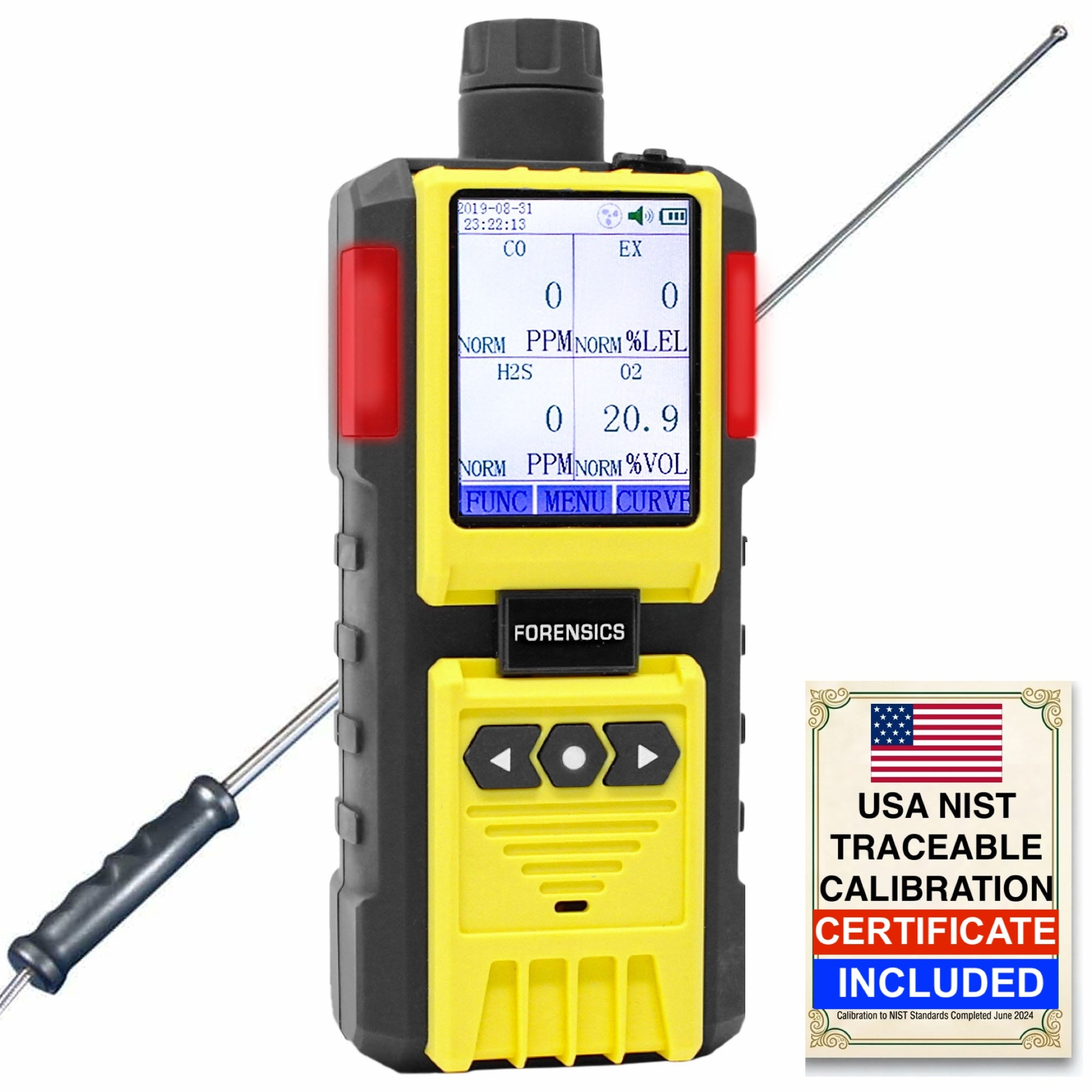
Portable Gas Detectors Handheld and used for spot-checking environments.

Single-Gas Detectors Detect only one type of gas, nonsuch for specific threats.

Multi-Gas Detectors Detect several gases at once, providing comprehensive examination monitoring.

These devices are normally used to discover gases like carbon paper monoxide(CO), atomic number 1 sulfide(H S), methane(CH), and atomic number 8 .

What Are Gas Analyzers?

Gas analyzers go beyond signal detection they quantify and analyse the writing of gas mixtures. These tools are requisite for meticulous monitoring and quality control in various industrial applications.

Key Applications of Gas Analyzers:

Emission Monitoring Ensure compliance with air tone regulations.

Process Control Optimize and chemical processes.

Environmental Monitoring Track pollutants and nursery gases.

Gas analyzers are susceptible of detective work retrace levels of gases, making them right for industries with strict situation and refuge regulations.

Why Are These Devices Important?

The grandness of gas detectors and gas analyzers cannot be exaggerated, especially in wild work environments. Here s why:

Safety Compliance: Meet OSHA, EPA, and International safety standards.

Early Leak Detection: Prevent ruinous events caused by unobserved leaks.

Operational Efficiency: Reduce and ameliorate sustentation scheduling.

Environmental Protection: Minimize emissions and supervise pollution.

Choosing the Right Gas Detection System

When selecting gas signal detection or depth psychology equipment, consider the following:

Type of gases present

Required sensitivity and accuracy

Environmental conditions

Portability needs

Regulatory submission requirements

Proper calibration and maintenance are also crucial to insure dependable readings.

Conclusion

From ensuring worker refuge to complying with stern situation standards, gas detectors and gas analyzers are indispensable tools across many sectors. As heavy-duty processes grow more complex, the need for dead gas monitoring becomes even more vital. Investing in high-quality, dependable signal detection and psychoanalysis systems not only safeguards people and property but also helps wield a company s reputation and effectual regular.

Read More →